
Eczema at Secondary School
This page focuses on eczema at secondary school. It includes information on how eczema can impact young people at school, and tips for managing eczema and getting support at school.
There are resources for:
We also have a list of helpful website links and downloadable or printable sheets with extra information.
What is eczema?
Eczema is a common, long-term skin condition that affects about one in five young people. You can’t catch eczema from someone else, and it often runs in families.
It can make skin dry, itchy, and sore, and scratching can make it worse.
Having uncomfortable eczema can disturb sleep, make some activities more difficult, and certain fabrics can irritate the skin. Eczema can be triggered by things in the environment like soaps, pollen, heat, or even stress.
It is more than just itchy skin. There’s no cure, but daily treatment helps keep symptoms under control. This includes using moisturising and flare‑control creams, wearing soft clothes, and avoiding triggers. Eczema is more than just a physical health condition, it can impact many aspects of a young person’s life including their mental health and wellbeing, their confidence, their social life, and their experiences at school.
You can find out more about eczema on the Eczema Care Online website.
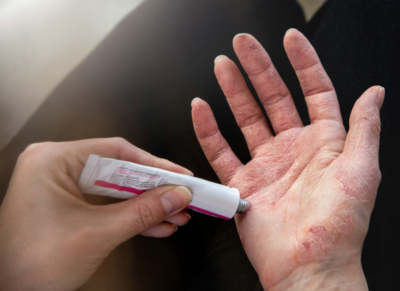
Eczema can affect many parts of school life. It can make writing, using computers, playing sports, doing woodwork, or wearing certain fabrics uncomfortable. Tiredness from night‑time itching can also make it harder to focus during lessons.
School soaps, heat, stress, busy classrooms, and exams can also trigger flare‑ups. Moving from primary to secondary school, or starting a new school, can bring extra challenges, as older children often need to take more responsibility for their treatment during the day.
It also can be harder to find time or a private space to put on creams during the day at secondary school, so having understanding teachers and a plan in place really helps.
Because eczema is linked to stress, busy times like exams can make symptoms worse and may affect how well a pupil can work.
Read more about the impact of eczema on school and supporting children with eczema in this blog written by Eczema Outreach Support for Twinkl: Supporting Children with Eczema at School – Twinkl
The good news is, there are things that can help young people look after their eczema at school and make it have less of an impact on their lives:
- A private and hygienic space at school to apply creams when needed. Toilets, including staff or disabled toilets, are not appropriate.
- Flexible learning arrangements during flare‑ups, including options for home learning if necessary.
- Uniform flexibility, such as allowing softer or less irritating clothing, wearing long sleeves, or leggings.
- Adjustments for outdoor activities to help avoid triggers like heat or allergens.
- A dedicated ‘Eczema Champion’ – a teacher who can act as a key contact and help coordinate support and who the young person can go to. They can also provide an alternative staff contact in case the Eczema Champion is away.
- Preparing for stressful times, such as exams or busy school periods, when eczema may worsen.
You can also find more about tips for managing eczema at school on the Eczema Care Online website: Studying and work | ECO.
Click the links below to find specific information for young people, parents/carers, and schools/teachers.
Information for
Moving from primary to secondary school or starting a new school year can sometimes affect your eczema. There are lots of changes happening at once like meeting new people, new buildings, new routines, and lots of new teachers. It’s completely normal to feel nervous about this.
Some young people with eczema also worry about how other pupils might react to their skin, how they’ll manage their eczema during the school day, and whether triggers at school might make their eczema flare-up.
Secondary school might also mean that you are taking more responsibility of managing your eczema and applying your creams during the day.
The National Eczema Society have a useful guide for navigating eczema as a young person.
How can having eczema affect you at school?
Eczema can impact school life in lots of different ways. Everyone’s experience is different, but here are some common challenges young people talk about:
Poor sleep:
Eczema can be especially itchy, hot, and uncomfortable at night, which can make it hard to fall asleep or stay asleep. This might make you feel tired, grumpy, or struggle to wake up on time. Tiredness can also make concentrating and learning harder.
Triggers at school:
Some things at school can make eczema flare up. These triggers are different for everyone, but common ones include:
- Sitting near radiators or heaters
- Getting hot and sweaty during PE
- Pollen
- Dust
- Synthetic fabrics (including some school uniforms)
- Using school hand soap
Managing eczema during the school day:
You might need to apply your creams at school, especially if you are having a flare-up. Creams can also make your hands slippery, which can affect handwriting, art, science practicals, or using equipment. During flare-ups, writing or taking part in PE or swimming might be harder.
Absences and appointments:
Applying creams or attending GP or hospital appointments might mean coming in late some days or taking time out of school. Missing bits of school can be stressful, especially if you’re worried about catching up.
What can school do to help when you have eczema?
Having eczema at school can bring challenges, but there are lots of things teachers can do to help and support you.
When teachers understand how eczema affects your day‑to‑day life, they can make small adjustments that reduce stress, make flare-ups easier to manage, and help you get the most out of lessons.
Speaking up about what you need at school can feel scary, but you don’t have to do it alone. Try talking to a teacher or member of staff you trust and remember you can ask your parents/carers or even a friend to help you explain what would make school easier for you.
Here are some things school could do to help you:
- Let you carry creams or keep them in a place you can easily get access to.
- Give you access to a private, clean space to apply creams.
- Allow flexibility with uniform, especially if certain fabrics irritate your skin (e.g., allowing you to wear long sleeves, leggings, or softer fabrics).
- Offer extra time for written work, let you use a laptop, or get someone else to take notes for you if your hands are painful.
- Be understanding about lateness or absences during flare-ups or for medical appointments.
- Provide support with catching up or doing work at home if you miss lessons because of eczema.
- Help adjust PE or practical activities on days your skin is painful.
- Make sure your seat in classrooms isn’t near triggers like radiators or open windows.
- Give you an Eczema Champion – a trusted teacher who can check in with you about your eczema and offer support when you need it. They can also let you know an alternative teacher you can contact in case the Eczema Champion is away.
- Keep a copy of your healthcare plan so they know how to support you.
Tips for managing eczema at school
Looking after your skin during the school day can really help keep your eczema under control. Here are some simple ways to manage your treatments at school:
1 Use moisturisers every day
Moisturisers (also called emollients) help keep control of your eczema. You can find out more about moisturisers here.
Most people with eczema need to use them every day. You might need to re-apply them while you are at school, especially if your skin is dry or your eczema is flared up.
The Eczema Care Online (ECO) Golden Rules can help you use moisturisers:
- Use as much moisturiser as you need to cover the parts of your skin that are affected by eczema.
- Use them every day, even when your skin is clear to prevent flare ups.
- Apply emollients (moisturising creams) in the direction of hair growth.
- Try to keep to a routine to help you remember to apply moisturisers.
You might find it helps to moisturise at break time, after washing your hands, or after PE. You can use the Top Tips worksheet to help you remember to use moisturisers at school.
2 Use flare-control treatments when you need them
Flare-control creams are used to get control of eczema when the skin is flared up (more itchy, dry and sore than normal).
Flare-control creams are prescribed by a healthcare professional and include topical steroids and TCIs (Topical Calcineurin Inhibitors).
These are usually used once a day for a short time on the flared areas (often for 5–7 days), exactly as your GP or dermatologist has shown you.
Follow the treatment plan you have been given by your GP or dermatologist to help look after your skin when you have a flare-up. The Eczema Care Online (ECO) Golden Rules can also help you use flare control creams:
- Use a thin layer to cover the area that is flared up.
- Use them as soon as there is a flare-up and for two days after eczema is under control.
There are also things you can do to make it easier to look after your eczema at school. There is some information and tips of the Eczema Care Online website: Studying and work | ECO.
Here are some tips to help you look after your skin during the school day:
3 Keep a copy of your healthcare plan and ‘Top Tips’ worksheet in your school bag. This can help you remember:
- When and where to apply emollients/moisturisers
- When and where to use flare-control creams.
- What triggers there are at school and how to avoid them.
It can also help you explain your routine to teachers if you need support.
4 Make sure you have creams to use at school.
- Have specific tubs or tubes of creams that live in your school bag, so you don’t forget them.
- Ask your GP or dermatologist for some smaller tubs that are easier to carry around or decant your creams into travel‑size containers.
- Ask to keep extra creams at school in case you forget yours or they run out (e.g., in your form room, sick bay, PE offices).
- Bring your own hand soap in your bag if the school soap triggers your skin.
5 Speak up if school routines make things harder.
If you’re struggling to manage your skin during the school day, talk to a teacher you trust or your Eczema Champion, your parents/carers, or healthcare professionals about adjusting your routine to make it easier.
6 Try using “If‑Then” reminders to help you remember when to apply your creams.
Sometimes it’s hard to remember when to put on moisturiser at school, especially when you’re busy or thinking about other things.
A simple trick is to use little reminders you make for yourself. You can write them down on the ‘Top Tips’ worksheet and keep it in your bag, blazer pocket, or pencil case to help you remember.
For example:
- “If it’s morning break, then I’ll put on my creams.”
- “If I wash my hands, then I’ll put on my creams.”
- “If my skin starts to itch or feel dry, then I’ll go to my quiet space to put cream on.”
- “If we have PE, I’ll put my creams on afterwards”.
These work because they link looking after your skin to things you already do every day, so it becomes easier to remember and they become habits.
[INSERT VIDEO OF SOME TIPS ON MANAGING ECZEMA AT SCHOOL FROM OTHER YOUNG PEOPLE]
How can eczema affect your wellbeing?
Eczema doesn’t just affect your skin – it can also impact how you feel about yourself and your everyday life.
Lots of young people with eczema say they sometimes feel lonely, different, or unsure how to talk about what they’re going through.
You might feel frustrated about your skin, tired of managing it every day, or self‑conscious about how it looks, especially during a flare-up.
It can be especially hard if you don’t know anyone else with eczema, or if it feels like other people don’t understand what it’s like. Some young people struggle to talk to friends or family about their feelings, which can make things feel even more isolating.
Eczema can also affect how you feel about your appearance. Lots of young people worry about how they look at times, and puberty and hormonal changes can make skin feel even more unpredictable.
You might feel more aware of your skin if your eczema is visible, or worried about people staring or asking questions. This can sometimes affect how confident you feel at school. For example, not wanting to wear shorts or a t-shirt in PE, avoiding activities if your eczema is visible, or not wanting to raise your hand in class in case it draws attention to you.
School pressures can also feel heavier when you’re managing eczema at the same time. Stress from things like starting a new school, meeting new people, and preparing for exams can make your eczema worse, which can then make you feel more stressed. It can be a frustrating cycle.
What can help improve your wellbeing?
The good news is that there are lots of things you can do to look after your wellbeing and feel more in control:
Be kind to yourself
Managing eczema is hard work, and nobody gets it perfect every day. Flare-ups aren’t your fault, and even small steps to care for your skin and your wellbeing can make a difference.
Learn how to deal with anxiety and worries
Eczema Outreach Support’s Wellbeing Resources have lots of ideas for coping with worries, challenging unhelpful thoughts, building confidence, and feeling more positive about how you look: Wellbeing resources for children and young people – Eczema Outreach Support
Plan how to respond to comments
Thinking ahead about what you might say if someone asks about your eczema can help you feel more in control and confident in social situations. Eczema Outreach Support’s Wellbeing Resources include simple ways to plan responses that feel safe and comfortable for you: Wellbeing resources for children and young people – Eczema Outreach Support
Talk to someone you trust
Opening up to a parent/carer, friend, or teacher can help you feel less alone. Some young people also find it helpful to have a regular “worry time” – a short, planned chat each week with a parent/carer to focus on what is worrying them: Wellbeing resources for children and young people – Eczema Outreach Support
Learn helpful strategies for managing stress
There are lots of things you can do to help reduce stress. Here are some ideas:
- Get support from school: stress can make eczema worse, especially during exams. Your school may be able to make small adjustments to help.
- Learn what stress feels like for you: Eczema Care Online has lots of ideas for noticing early signs of stress, managing them, and trying simple relaxation exercises: Stress and eczema | ECO.
- Make time for rest and fun: Getting enough sleep, spending time on hobbies, being active, and spending time outdoors or with friends and family can all help lower stress levels.
- Use peer support: Sharing your experiences, worries, and tips with other people who understand what it’s like to have eczema can be helpful.
- Ask for help: if someone teases you or is unkind about your skin, you don’t have to handle it alone. It’s not okay for anyone to tease you about having a condition like eczema. Talk to a teacher you trust or your parents/carers so they can help you.
Supporting your child
Moving from primary to secondary school, or starting a new school or school year, can affect a child’s eczema. This is a big social change, and children may worry about new people, new routines, and how others might respond to their skin. It’s very common for both children and their parents or carers to feel anxious during this kind of change.
Moving to secondary school often means children have to take more responsibility for managing their eczema. This can feel overwhelming or stressful. Stress, anxiety, and worry can all make eczema more likely to flare up.
Eczema Outreach Support has Wellbeing Resources that can help young people deal with worries and unhelpful thoughts, cope with negative experiences or attention from others, and build confidence and self‑esteem: Wellbeing resources for children and young people – Eczema Outreach Support
Advocating for your child at school
As your child becomes more independent in managing their eczema, it’s still important to advocate for them at school to make sure they receive the support they need.
If your child has negative experiences with staff or pupils, you may need to step in, but how you respond will vary. If it involves a teacher (e.g., an insensitive comment about slow writing due to sore hands or not allowing them to leave class to apply creams), be clear and firm with the school about your child’s needs. If it involves other pupils, consider the impact of addressing the children directly, as this may embarrass and draw further attention to your child. It may be better to involve the school and also to ask your child how they’d like you to handle the situation.
Good communication with school staff can help them understand how eczema affects your child and what adjustments might make school life easier. You can do this by:
- Having eczema in mind when choosing a secondary school. Visit potential schools and speak with staff to gauge how supportive they are of pupils with health conditions like eczema. Ask how they would handle a specific bullying scenario and trust your instincts about the school’s overall atmosphere.
- Explaining your child’s experience. Sharing what eczema is like for your child day-‑to-day helps teachers understand their needs. You might talk about:
- tiredness from poor or broken sleep
- itchiness or discomfort that affects their concentration
- irritability linked to pain or tiredness
- difficulty keeping up with homework during flare‑ups
- the emotional impact, such as feeling self-conscious
- Discussing reasonable adjustments that could help your child feel comfortable and fully take part in school life. Don’t be afraid to be firm and assertive in meetings. Using clear language about your child’s safety and wellbeing can prompt the school to take action and pay closer attention to their needs. Some reasonable adjustments might include:
- Flexibility with school uniform if certain fabrics irritate their skin (e.g., wearing softer fabrics, long sleeves).
- Access to a private and hygienic space to apply creams during the day. A toilet, including disabled or staff toilets, are not appropriate.
- Support with home learning when flare‑ups make tasks difficult.
- Understanding around absences for medical appointments.
- Extra time for tasks if their hands are sore.
- A space to keep their creams.
- Request an enhanced transition day so your child can be offered extra support with starting a new school/year. This can make them feel less overwhelmed and help plan how they will manage their eczema at school.
- Arranging a meeting with a key staff member such as the form tutor, pastoral lead, or school nurse. This helps everyone understand the support your child needs and how to provide it. To help with this, you might find it useful to use Eczema Outreach Support’s email template for schools [INSERT LINK TO SCHOOL EMAIL TEMPLATE].
- Be prepared to advocate for your child, as some people may not understand that eczema is far more than “just a rash.” You may need to explain the condition and its impact so your child’s needs are properly recognised and supported.
- Sharing a healthcare plan if you’ve completed one with your child. This gives staff clear information about treatments and routines. You can access Eczema Outreach Support’s Healthcare Plans here: https://eos.org.uk/healthcare-plans/.
- Sharing Eczema Outreach Support’s ‘Supporting Pupils with Eczema Factsheet for Schools’ to help teachers be more aware of eczema and think about how they can best support your child: [INSERT LINK TO SCHOOLS FACTSHEET].
- Completing the ‘Top Tips’ worksheet with your child to help them feel more confident about managing their eczema at school [INSERT LINK TO TOP TIPS SHEET].
Support for parents and carers
It can also be a stressful time for parents and carers. You may feel worried about having less control over your child’s eczema care or uncertain about how they will manage treatment and social situations at school. These feelings are very normal.
The Visible Difference Parenting Toolkit is a free e-book that was developed with parents and has been shown to help families of children with conditions like eczema. It includes coping skills for parents, practical advice, and guidance on a range of situations such as communicating with your child, starting a new school, and dealing with teasing or bullying. Strengthening your own coping skills can help you support your child through these changes. You can access it here: The Visible Difference Parenting Toolkit – The Visible Difference Support Hub (Page 49 focuses on moving to a new school).
Helping your child manage at school
As your child takes on more responsibility for their treatment, it may help to complete one of Eczema Outreach Support’s healthcare plans with them: Healthcare Plans – Eczema Outreach Support. These plans were developed with parents, children, and healthcare professionals. They aim to make it easier to remember which treatments to use and when.
You and your child may also choose to share the plan with a trusted teacher or key contact at school so they can make sure your child has the support they need, including a private place to apply their creams.
Children and young people often want to fit in with their friends and peers at school, but this can sometimes clash with what is best for their skin. For example, they may want to wear clothes that irritate their eczema or use makeup, hair dye, perfume, aftershave, or other scented products. This is a difficult balance, but you can help by:
- Supporting your child to make their own choices
- Encouraging them to think about how products or clothing might affect their skin
- Trying alternatives such as hypoallergenic, dermatologist approved, and sensitive‑skin products
- Testing any new product on a small patch of skin first
You can find more helpful tips on the Eczema Care Online website: Preparing for the teen years | ECO
Talking about eczema with your child
It can be difficult to know how to talk with your child about managing eczema and how it may affect them at school. Every child will vary, but here are some things that can help:
- Keep communication open. This helps your child know they don’t need to hide their eczema or keep worries a secret.
- Give enough time for the conversation so it doesn’t feel rushed. Children often open up more when they don’t feel pressured.
- Choose a time and place where you both feel relaxed. This makes it easier for your child to talk honestly about any difficulties they’re having.
- Discuss eczema in a way that suits your child. Some young people are more comfortable talking when it comes up naturally, while others like knowing there’s a specific time they can raise their worries. Too many ad hoc comments can make eczema feel constantly under the spotlight, which can be overwhelming or intrusive. Children won’t always want to talk, but what matters is that they know the door is open when they do.
- Talk while doing another activity, such as while driving, eating together, or going for a walk. This can make the conversation feel less intense and gives both of you time to think and respond.
- Focus on your child as a whole person. These check‑ins can help them feel supported without feeling defined by their eczema.
There is more guidance on talking to children about visible differences and health conditions on page 32 of the Visible Difference Parenting Toolkit: The Visible Difference Parenting Toolkit – The Visible Difference Support Hub.
Eczema is more than just itchy skin. It is a long-term inflammatory skin condition that can cause itching, pain, discomfort, tiredness, and difficulty concentrating. Symptoms can change day to day, and children may experience flare-ups (a worsening of symptoms) that affect their learning, confidence, and participation in school.
Eczema can also lead to infection if not managed properly. Around one in five children and young people in the UK have eczema, meaning that it impacts a significant number of pupils at school. Young people with eczema might also have allergies or asthma.
Watch Eczema Outreach Support’s ‘Supporting Young People with Eczema’ video on how eczema impacts the life of a young person and what you can do to help: https://www.youtube.com/watch?v=-WmWwEeUL_M
Small adjustments can greatly improve a pupil’s comfort, confidence and ability to learn. When schools understand eczema and support young people to manage it, pupils are more likely to stay engaged in class, attend consistently, manage treatments successfully, and feel safe and included.
Moving schools and eczema
Moving from primary to secondary school, moving up a school year, or joining a new school can be particularly challenging for children and young people with eczema. These transitions often happen at the same time as pupils are expected to take on more responsibility for managing their own health and treatments. This shift towards self‑management can feel overwhelming.
Secondary school routines can also make managing eczema more difficult. Pupils may struggle to find enough time or privacy to apply creams during the school day. Larger, busier environments may increase exposure to triggers such as heat, dust, sweat from PE, harsh soaps, or pollen during outdoor activities.
As a visible condition, eczema can also draw attention from peers, including unwanted comments or questions about it and, unfortunately, appearance-related bullying and teasing is common. Young people with eczema might feel self-conscious about how their skin looks, which might make them feel anxious about doing things that could draw attention to themselves and their skin, such as wearing shorts or short sleeved tops during PE, going swimming, or even raising their hand in class.
How can eczema impact a young person at school?
Eczema can affect pupils in many ways, including:
- Poor sleep: Eczema can be particularly itchy and uncomfortable at night, meaning that young people might have difficulties sleeping and waking up in time for school. They might also be tired, irritable and have trouble concentrating at school.
- Difficulty concentrating: Discomfort, pain, itchiness, and unpleasant sensations from using lots of creams can impact learning and make it harder to stay focused.
- Triggers at school: Environmental triggers at school, such as heat, can make eczema symptoms worse, called a flare-up.
- Managing eczema: Young people with eczema often have to apply creams throughout the day to prevent flare-ups. This can be time-consuming and difficult to fit into the school schedule. Pupils may feel uncomfortable applying moisturiser in public spaces and not feel confident to ask for a private and hygienic space to apply their creams. Creams may make hands slippery, affecting handwriting or practical tasks. During flare‑ups it can be painful to write or to take part in activities like PE and swimming.
- Treatment Side Effects: Some young people with moderate to severe eczema use systemic medications which are taken orally or by injection. These can cause side effects including fatigue, nausea, and increased sensitivity to the sun.
- Absences and medical appointments: Applying creams every morning to manage eczema can be time consuming, especially because it can take time for them to be absorbed. This can be onerous for a young person and may mean that they need to arrive late. They may also have regular GP, dermatology or allergy appointments that cause absences during the school day.
- Mental health and wellbeing: Young people may feel self-conscious about visible eczema and avoid putting on creams if they fear standing out. Living with an unpredictable condition that needs consistent management can also have an impact on a pupil’s mood and leave them feeling anxious. Stress, such as from starting a new school or preparing for exams, can worsen eczema and lead to flare-ups, making learning and exam days more challenging.
- Teasing or bullying: Visible differences (conditions that affect someone’s appearance) including eczema can unfortunately lead to unsolicited comments and questions, and even appearance-related bullying and teasing.
- Links with SEND: There is research to suggest links between eczema and some neurodevelopmental conditions such as attention deficit hyperactivity disorder (ADHD) and autism. Children with sensory needs might also find applying creams more challenging and need additional support.
You can find more information on the impact of eczema on school on the Eczema Care Online website: Studying and work | ECO.
How can schools support pupils with eczema?
The good news is, there are lots of things you can do to support a pupil with eczema at school.
Every pupil with eczema will have different needs so it is helpful to discuss this with the pupil and their parents/carers. Taking a personalised, flexible approach helps pupils feel safe, comfortable, and included. It’s important to do this in a private space because discussing eczema publicly can draw attention to a pupil’s skin and make them feel self-conscious.
This might include:
- Providing an ‘Eczema Champion’: have a nominated, trusted teacher or staff member who can check in about the pupil’s wellbeing and treatment regularly and support them during flare-ups. Many young people lack confidence to speak up about their eczema and teachers can play a key role in advocating for them by making them feel heard and ensuring they have a supportive school environment for managing their eczema. You should also provide an alternative staff contact who the young person can speak to if their Eczema Champion is away.
- Transition days: consider having a day before the start of term where a young person with eczema can attend school and work with their trusted teacher to plan where and how they will apply their creams and discuss adjustments school can make to help them.
- Peer support: Eczema is a common skin condition. You could consider setting up a peer support network of pupils with eczema to make new pupils feel more confident and learn from pupils who have been managing their eczema at secondary school for a while.
- Identifying a pupil’s self-management and support needs: each pupil will have different triggers and self-management routines. Work with the young person and their parents/carers to plan how they will undertake this at school. Many families use a healthcare plan, which they may want to share with the school/Eczema Champion. This may include:
- When and how often they need to apply creams during school hours.
- How their treatment plan changes when their eczema is flared up.
- Ensuring the young person has access to a private, hygienic space to apply creams. Disabled or staff toilets are not a suitable location for this. You should also ensure there is a contingency plan if this room is ever not available.
- Maintaining privacy by helping the young person to apply their cream discretely when they need to and making sure other teachers know about this.
- Adjustments and adaptations: discuss what the school can do to help young people manage their eczema at school. For example:
- Uniform adaptations: Synthetic fabrics used in school uniforms can irritate the skin. You could allow them to wear natural fabrics such as cotton, particularly during a flare-up, or long sleeves, leggings, or sports compression garments when exposed to pollen outside during the summer. Where possible, offer optional adjustments to all pupils to avoid singling out one child and making them feel self-conscious or different.
- Flexible learning arrangements: allowing a pupil to come in later if applying their creams takes a long time in the morning or they are having a flare-up which is affecting their sleep. Providing materials to allow a young person to catch-up on missed lessons due to attending GP and hospital appointments or providing the option for home-learning when necessary. Allow the use of laptops if eczema is making their hands sore or applying creams makes it difficult to hold a pen.
- Reduce environmental triggers: there are various environmental triggers at school that can irritate a young person’s skin when they have eczema. These can be hard to avoid and vary for each individual, but common triggers include heat, sweating, pollen, dust, and certain synthetic fabrics such as those used in some school uniforms. Here are some ideas to help avoid triggers at school:
- Heat and dust: avoid seats next to radiators or on carpets and ensure good ventilation, or a fan is available in the classroom.
- Pollen: offer alternatives to outdoor activities like PE when the pollen count is high, let the pupil sit on a chair or bench rather than grass, and allow protective clothing such as long sleeves or leggings.
- Practical subjects: be aware that home economics, woodwork, or metalwork can irritate the skin. The young person may benefit from wearing gloves, washing their hands regularly, and being allowed to reapply creams in a private space during class.
- Support emotional wellbeing and mental health: eczema can impact confidence, mood, anxiety and self‑esteem. Schools can help by referring pupils to school‑based mental health or pastoral teams, referring to counselling through the school or local authority, creating safe, non‑judgemental spaces for pupils to talk, and encouraging peer support. Stress can make eczema worse, particularly during times like exams. You can support pupils by making sure they have access to treatment during their exams, they are seated in a cool place and providing a scribe or computer if needed.
- Manage teasing or bullying: young people with conditions that affect their appearance can experience unwanted questions and teasing and bullying. Ensure the Eczema Champion checks in about eczema-related social experiences. You could also use the Teacher Toolkit resource which is an evidence-informed tool for promoting acceptance of appearance diversity in schools: The Teacher Toolkit: Support Guide for School Staff Promoting Acceptance and Diversity – The Visible Difference Support Hub.
- Consider the impact of eczema on neurodiverse pupils: children with autism or ADHD may find the feeling, sensation, or smell of their creams unpleasant. They may also find it hard if there is a change in their treatment plan due to having a flare-up. Sensory needs, attention differences, or emotional regulation challenges can all affect eczema management. SEND teams can help coordinate support and adapt plans for the pupil’s wider needs. Considering how this might impact their ability to learn and giving them support and time can help. You can find out more about eczema and sensory issues on the Eczema Outreach Support website: EczemaAndSensoryIssues.FINAL_.pdf
Eczema Outreach Support have developed a school’s factsheet to help schools understand what they can do to support pupils with eczema: [INSERT LINK TO TEACHER FACTSHEET].
Our list of helpful websites and downloadable or printable sheets with extra information
Information sources: